

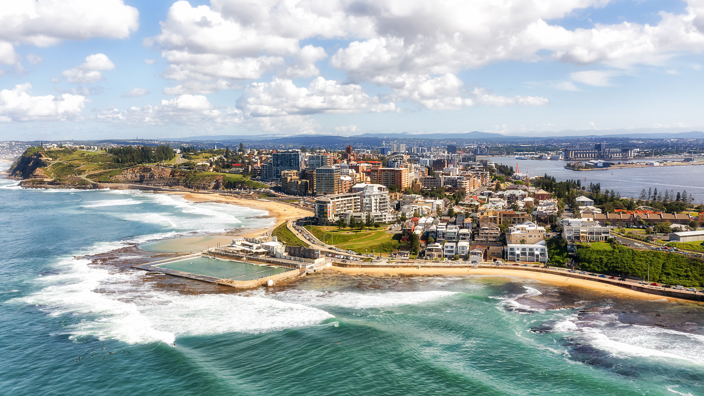
Data shows that affordability, flexible work and evolving regional economies are driving a sustained shift beyond the capitals.
- 72% of Aussies believe regional areas are attracting more highly skilled and professional workers than in the past.
- 62% of regional Australians say new people have moved into their local community in the past year.
- Aussies say more affordable housing (40%) and the growing acceptance of remote or hybrid work (31%) are key factors behind the shift towards regional living.
- 47% of metro Australians say the prospect of living in a regional area is highly appealing.
- 78% of Australians who have already moved to a regional area report improvements to their quality of life.
Regional Australia is shaking off old stereotypes and stepping into a new identity – as a destination for skilled work, innovation and long-term opportunity.
New research from NGM Group – the customer owned bank behind Greater Bank and Newcastle Permanent – points to growing momentum across regional communities, as Australians follow opportunity beyond the capitals.
The national YouGov survey, the second in NGM Group’s What Matters Most research series, reveals Australians increasingly view the regions as not only a great place to live, but as central to the country’s economic future – with new industries, diverse jobs, and smarter ways of working.
Nearly three in four Australians (71%) believe regional areas are no longer defined by traditional industries, while an overwhelming majority (89%) say innovation and emerging sectors are vital to the future of regional Australia.
The findings mark a broader redefinition of regional prosperity – moving beyond legacy sectors to embrace skilled careers, entrepreneurship and modern infrastructure.
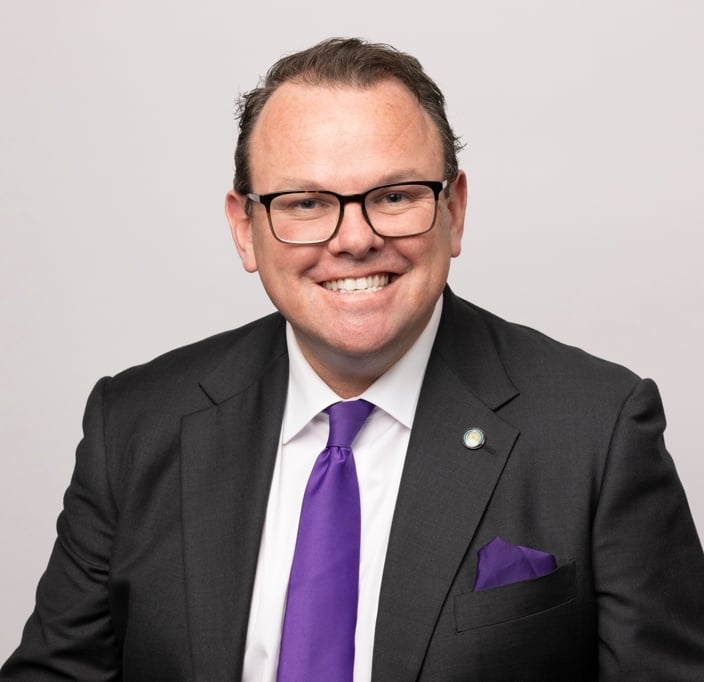
James Cudmore, Chief Customer and Digital Innovation Officer at NGM Group, said the results point to a real and sustained shift.
“We’re seeing a new kind of momentum in regional Australia, one driven by ideas, investment and skilled people making deliberate choices about where they want to live and work,” Mr Cudmore said.
“In centres like Newcastle and Wollongong, there’s strong ambition matched by capability. These communities aren’t waiting to catch up but rather charting their own course.”
The research tracks how Australians’ priorities are changing in response to housing affordability, cost-of-living concerns and new ways of working.
The shift is especially clear in regional New South Wales and Queensland, where long-established towns are growing and diversifying.
Seventy-two per cent of Australians surveyed believe that regional areas are attracting more highly skilled and professional workers than in the past. That number climbs to 81 per cent among Millennials and 78 per cent among Gen Z.
Respondents say more affordable housing (40%) and the growing acceptance of remote or hybrid work (31%) are key factors behind the shift, expanding where Australians can realistically live and work while maintaining career momentum.
But beyond hybrid work, it’s the rise of new industries and broader job opportunities that’s reshaping the regions.
“These centres are growing in depth and diversity,” Mr Cudmore said.
“From healthcare and tech to education, construction and small business, regional economies are expanding their footprint and sharpening their edge.”
Population growth is reinforcing the trend. Nearly two-thirds (62%) of regional Australians say new people have moved into their local community in the past year – including 53 per cent in Queensland and 65 per cent in New South Wales.
Among city-based Australians, nearly half (47%) say the idea of regional living is highly appealing.
For those who’ve already made the move, the experience is overwhelmingly positive. Nearly 8 in 10 (78%) report improved quality of life. Almost half say their overall health and wellbeing has improved (49%), they feel safer (49%) and more connected to their community (47%) suggesting the benefits extend well beyond cost of living or space alone.
When asked where the best lifestyle is found, regional coastal areas topped the list (29%) for Aussies surveyed, followed by outer city suburbs (19%) and inner cities (16%).
While housing affordability and work flexibility remain key factors, broader motivations – including space, safety, community and long-term security -are playing a stronger role in decision-making.
These shifting priorities are being met by regional centres that offer both liveability and career potential.
“Hybrid work has changed what’s possible, but it’s not the only driver,” Mr Cudmore said.
“Career pathways in the regions are stronger than they’ve ever been. There’s stability, there’s growth, and there’s the freedom to plan with confidence.”
“People want careers that matter and lifestyles that feel sustainable. The regions are delivering both, and that’s why they’re rising fast.”
NGM Group launched the What Matters Most series to explore how Australians’ values are shifting, and what that means for the future of housing, work and community.
Media enquiries:
- Alexandra Fraser 0447 464 196
About the research
Research commissioned by NGM Group and conducted by YouGov in December 2025 among a nationally representative sample of 1,239 Australian adults aged 18 and over, including 220 residents from the Hunter region. The data has been weighted by age, gender and region to reflect the latest ABS population estimates. The questionnaire was developed by YouGov in consultation with NGM Group.